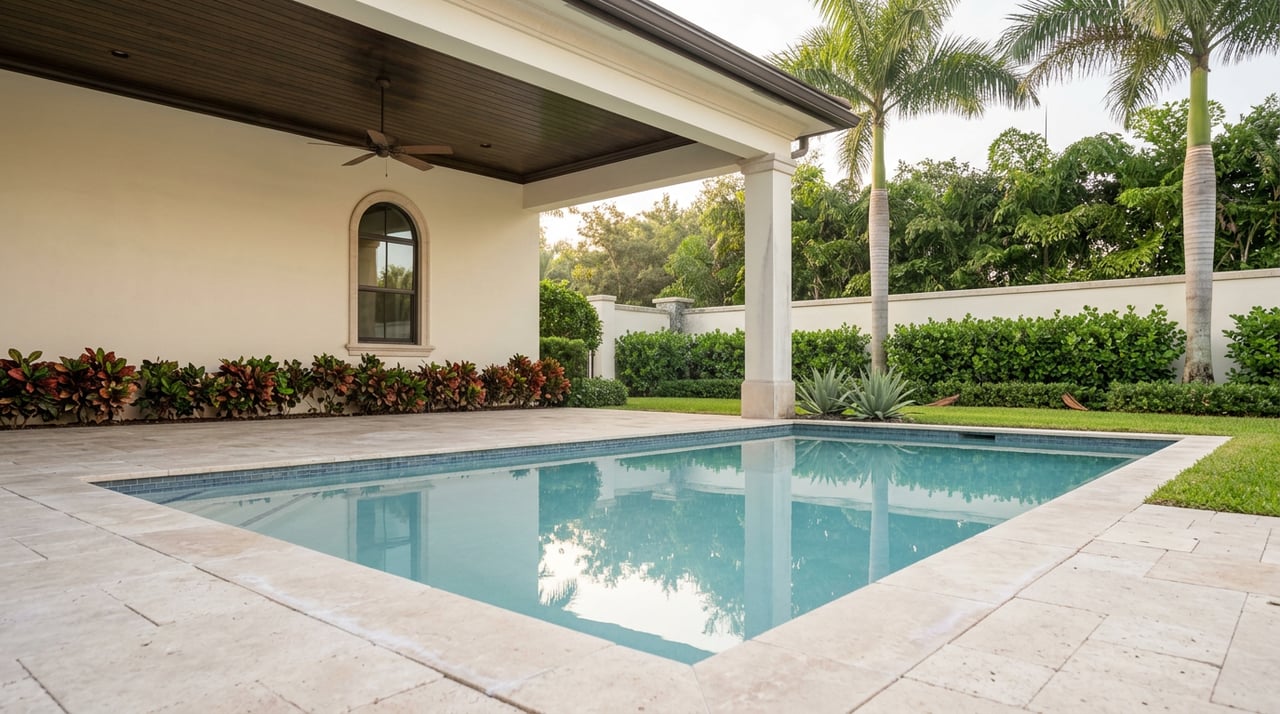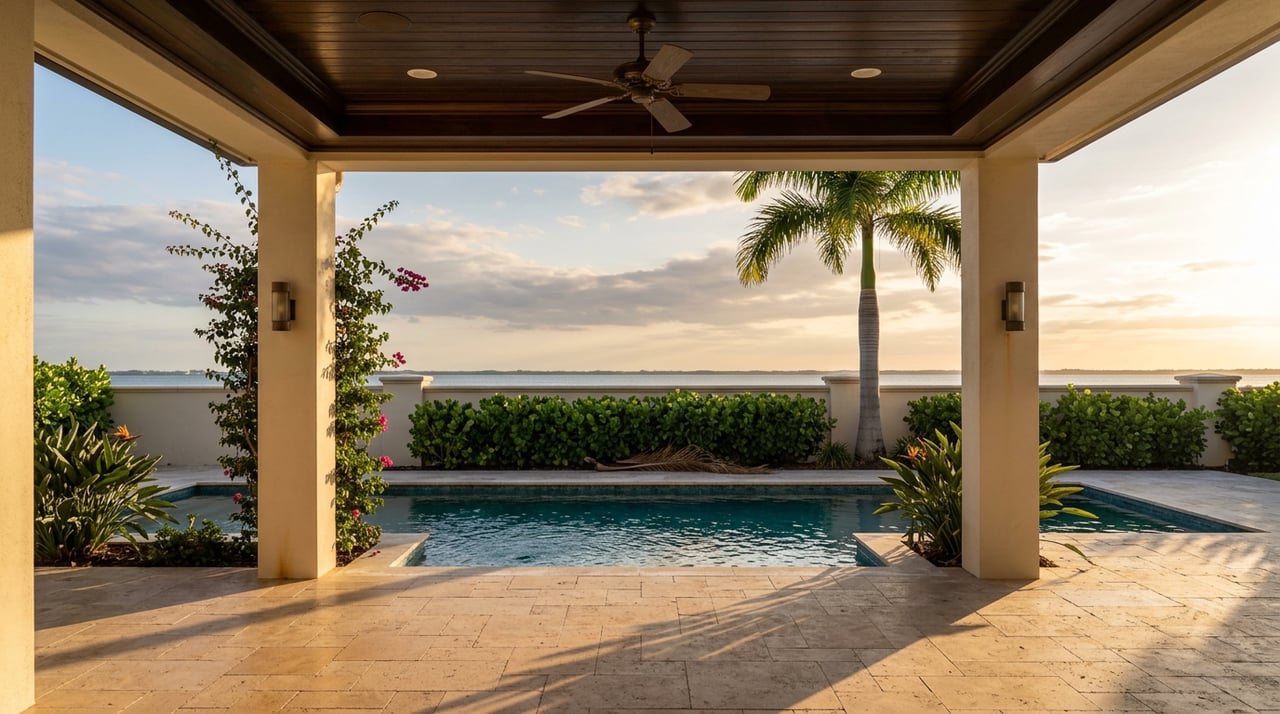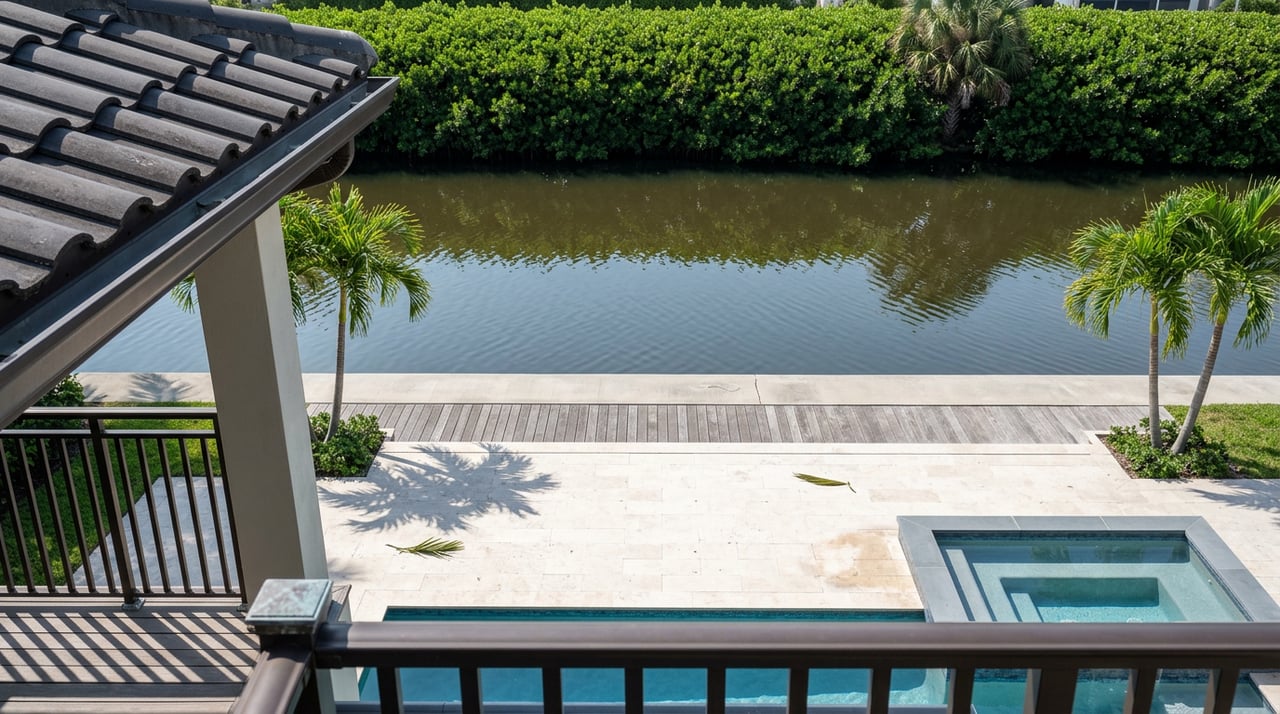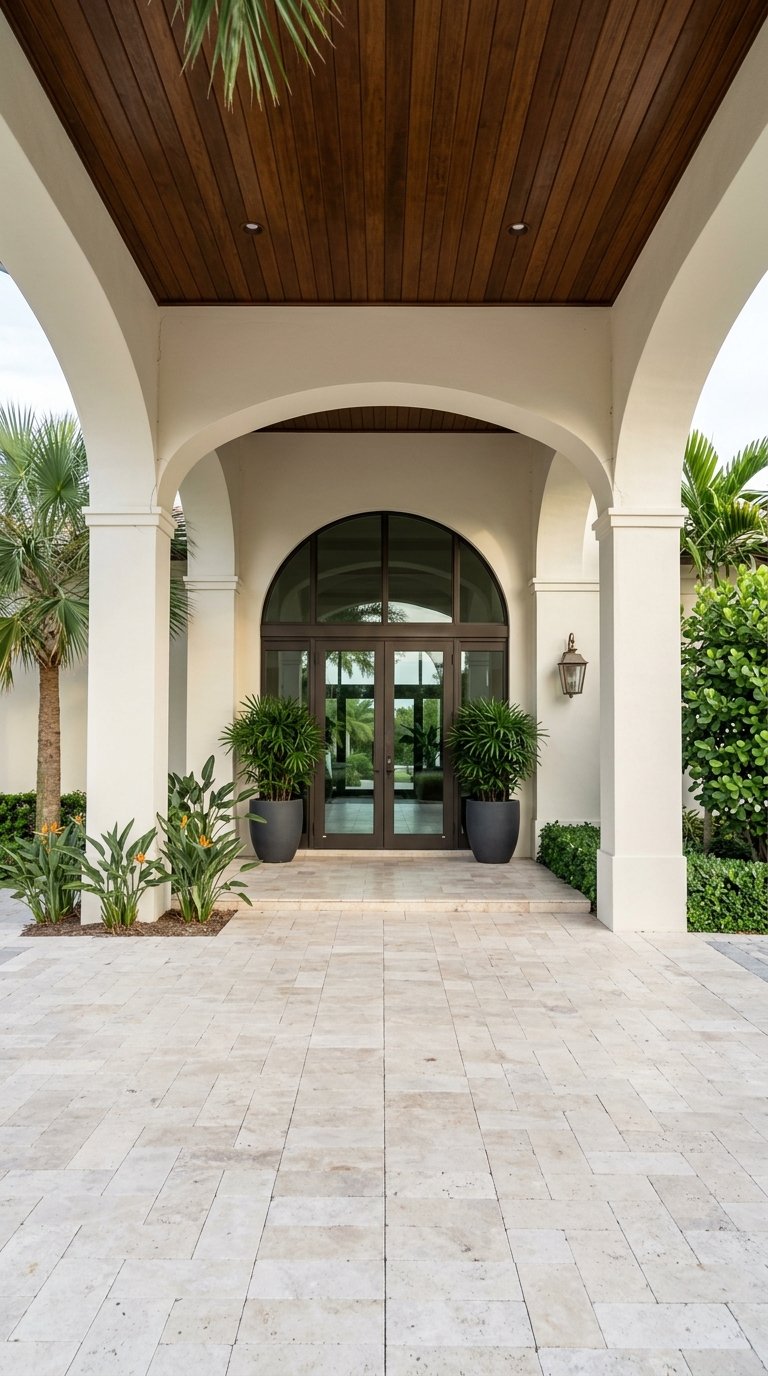
If you are considering Park Shore for an investment purchase, the first question is not simply, "Will it rent?" In this part of Naples, the better question is whether the property, building, and lease structure support your goals over time. Park Shore can be a compelling place to buy, but smart investing here depends on careful due diligence, realistic hold expectations, and a clear resale plan. Let’s dive in.
Why Park Shore Draws Investors
Park Shore is one of Naples’ most established coastal neighborhoods, located west of US 41 within the City of Naples. It is a mature, largely built-out area with more than 600 single-family homes, 25 high-rise condos, many mid-rise condos, and commercial property.
That mix matters because investment upside here usually comes from property selection, renovation quality, redevelopment potential, or strong positioning within the existing market, not from large waves of new land supply. In other words, Park Shore tends to reward buyers who underwrite carefully rather than those chasing easy appreciation.
The neighborhood’s appeal is also tied to lifestyle assets that support long-term desirability. Park Shore is associated with a private beach park, Venetian Village, Naples Marina, Waterside Shops, Artis-Naples, and Clam Pass Park, all of which help support its status as a luxury coastal micro-market.
What Demand Looks Like in Naples
For investors, Park Shore is best viewed through a seasonal luxury lens. Collier County’s December 2025 visitor reporting showed 246,500 visitors, 2,006,500 visitor days, and 64.4% overall lodging occupancy, with an Oct-Dec 2025 visitor median household income of $173,000.
The same county research noted 17,900 more domestic visitors year over year, led by travelers from the Midwest and Northeast. That pattern supports the idea that Naples attracts a winter-season, higher-income visitor base, which aligns more naturally with luxury condos, bayfront residences, and turnkey waterfront properties than with high-turnover budget rentals.
This does not automatically make every Park Shore purchase a strong income property. It does suggest, however, that the neighborhood fits buyers seeking a seasonal luxury rental profile and capital-preservation-oriented ownership.
Condo vs Single-Family in Park Shore
Why condos often lead for seasonal leasing
Condominiums are usually the clearest rental product in Park Shore because the neighborhood includes Gulf-front high-rises and many mid-rise buildings. These properties often match the expectations of seasonal residents who want low-maintenance living, a strong location, and immediate access to the coastal lifestyle.
That said, condo investing in Park Shore is not just about rent potential. It is also about the health of the building, the association’s reserves, and the timing of required capital work.
Why condo diligence matters more now
Florida’s condo compliance rules create real underwriting considerations for older buildings. In Naples, buildings within three miles of the coastline are on a 25-year milestone inspection timeline, and buildings three stories or more are subject to structural integrity reserve study requirements.
Older associations had key deadlines tied to December 31, 2025, and reserves for required SIRS items are not waivable. For you as a buyer, that means projected cash flow can be affected by reserve contributions, special assessments, and inspection-driven repairs.
Why single-family can offer more control
Single-family homes can present a simpler long-term hold thesis, especially if your strategy leans toward personal use, future resale, or annual rental demand. You generally have more control over the property itself than you would in a condo tower, which can be attractive if you are thinking beyond near-term rental income.
Still, single-family does not automatically mean unlimited rental flexibility. Florida law allows HOAs to amend governing documents to regulate rental agreements under six months and to prohibit more than three rentals in a calendar year.
Rental Rules You Need to Know
One of the most important facts about investing in Park Shore is that the City of Naples has clear limits on shorter-term rentals. A dwelling may be rented for fewer than 30 days only three times per calendar year.
After that, the minimum rental term is 30 days, and the city states that the property cannot be advertised as available for fewer than 30 days at any time. The city also states that a transient lodging facility is not a permitted use in most residential zoning districts.
For most Park Shore investors, that means the practical baseline is 30-day-plus seasonal leasing or annual leasing, not nightly or weekly turnover. If you are underwriting a deal based on frequent short stays, the property may not fit the city’s rules.
Taxes and Records to Review
If your property will be rented for six months or less, taxes matter. Collier County states that stays of six months or less are subject to the county’s 5% tourist development tax, and Florida transient rental taxes can also apply.
This is one reason clean accounting and up-front planning are so important. Your projected income should reflect not just headline rent, but also taxes, reserves, insurance, and any building-specific ownership costs.
For condo purchases, your due diligence file should include the association’s reserve study and inspection history. DBPR requires those records to be part of the official record and to be provided to potential purchasers, making them essential documents before you commit.
Flood Risk and Waterfront Costs
Park Shore is a coastal market, so flood diligence is not optional. The City of Naples states that the area is susceptible to flooding from major rain events and storm surge, and that the 2024 Flood Insurance Rate Maps are in effect.
Before purchase or construction, flood-zone confirmation should be made through an official determination. This step can affect insurance pricing, future renovation plans, and your total carrying costs.
Some waterfront Park Shore properties may also fall within the Moorings Bay Special Taxing District. The city says this district was created to support water quality, navigability, and maintenance dredging for waterfront properties around the Moorings Bay system, including Park Shore.
Resale Timelines and Exit Strategy
An investment purchase should always be tied to a realistic exit plan. In Collier County excluding Marco Island, NABOR’s March 2026 market snapshot reported 6,367 in inventory, 1,427 new listings, 1,394 pending sales, 1,054 closed sales, and 95 days on market.
That is not Park Shore-specific data, but it suggests you should underwrite a normal-to-slower resale timeline rather than assume a quick flip environment. In a market like Park Shore, patience and positioning often matter more than speed.
In many cases, Park Shore works best as a lifestyle-driven investment with an eye toward capital preservation and resale quality. Well-positioned condos and turnkey homes that align with seasonal demand, show documented maintenance, and present clean association records are often easier to defend at resale.
How to Evaluate a Park Shore Purchase
If you are comparing opportunities in Park Shore, focus on a few core questions:
- Does the lease strategy comply with City of Naples rules?
- If it is a condo, what do the reserve study and inspection records show?
- Are there any known or likely special assessments?
- What are the insurance and flood-zone implications?
- Is the property in the Moorings Bay Special Taxing District?
- Does the property’s condition support premium seasonal demand?
- Is your hold period long enough to fit a slower resale cycle?
These questions are often more important than chasing the highest theoretical rent. In Park Shore, disciplined underwriting usually beats optimistic underwriting.
Bottom Line on Park Shore Investing
Park Shore can be an attractive place to buy if you value a prestigious Naples address, strong lifestyle appeal, and a supply-constrained coastal setting. But this is not a market where you want to rely on assumptions.
The best opportunities tend to come from matching the right asset to the right strategy. For some buyers, that means a condo with a strong association and clean records. For others, it means a single-family property with more control, longer-term flexibility, and clear resale appeal.
If you want help evaluating whether a specific Park Shore property fits your investment goals, Kim Price offers discreet, high-touch guidance rooted in deep Naples micro-market knowledge.
FAQs
What makes Park Shore different from other Naples investment areas?
- Park Shore is a mature, largely built-out coastal neighborhood in the City of Naples, so investment value often comes from location, renovation, redevelopment potential, amenities, and resale positioning rather than new land supply.
Are short-term rentals allowed in Park Shore, Naples?
- In the City of Naples, a dwelling may be rented for fewer than 30 days only three times per calendar year. After that, the minimum rental term is 30 days, and the property cannot be advertised as available for fewer than 30 days.
Are Park Shore condos good investment properties?
- They can be, especially for seasonal luxury demand, but you should closely review association reserves, milestone inspection history, structural integrity reserve study requirements, and any risk of special assessments.
What should buyers review before purchasing a Park Shore condo?
- You should review the association’s reserve study, inspection history, official records provided to purchasers, ongoing maintenance needs, and any ownership costs that could affect cash flow or resale.
Do Park Shore single-family homes have fewer rental restrictions?
- Not always. Single-family homes may offer more property-level control, but HOA rules can still regulate rental agreements under six months and limit the number of rentals in a calendar year.
Is flood risk important for Park Shore investment purchases?
- Yes. The City of Naples says the area is susceptible to flooding from major rain events and storm surge, so flood-zone confirmation, insurance costs, and waterfront-related holding costs should be part of your underwriting.