Are you watching Port Royal and Aqualane Shores and wondering why demand still feels intense even when broader headlines look mixed? If you want a deep‑water address or you’re weighing a sale, this micro‑market plays by its own rules. In this guide, you’ll see what is driving demand now, how dock capability shapes value, what to expect by price band and season, and practical steps to strengthen your position. Let’s dive in.
Port Royal and Aqualane at a glance
Both Port Royal and Aqualane Shores are defined by extreme scarcity of large, deep‑water lots with direct access to open water. The neighborhoods are small, prestige enclaves with very limited turnover and few opportunities to create new lots. That scarcity supports resilient pricing at the top of the Naples market.
The product mix is a blend of older single‑family homes, recent custom estates, and occasional spec builds. Many older homes sit on valuable waterfront parcels, which makes them candidates for renovation or a full tear‑down. Transaction timelines can run longer here because buyers often complete specialized marine, structural, and permitting due diligence before closing.
Inventory and days on market
In this micro‑market, most activity clusters in the $5–10 million and $10–20 million bands. The $20 million‑plus tier exists but tends to have very low inventory and fewer sales per year. Days on market can vary widely. Well‑priced trophy properties can move quickly, while others take time as sellers pursue target pricing and the buyer pool narrows at the ultra‑luxury level.
Naples also has clear seasonality, with stronger showing and deal activity in the winter season. Broader liquidity factors, including interest rate trends and capital gains expectations, can influence momentum and time on market within each band.
Deep‑water access defines the premium
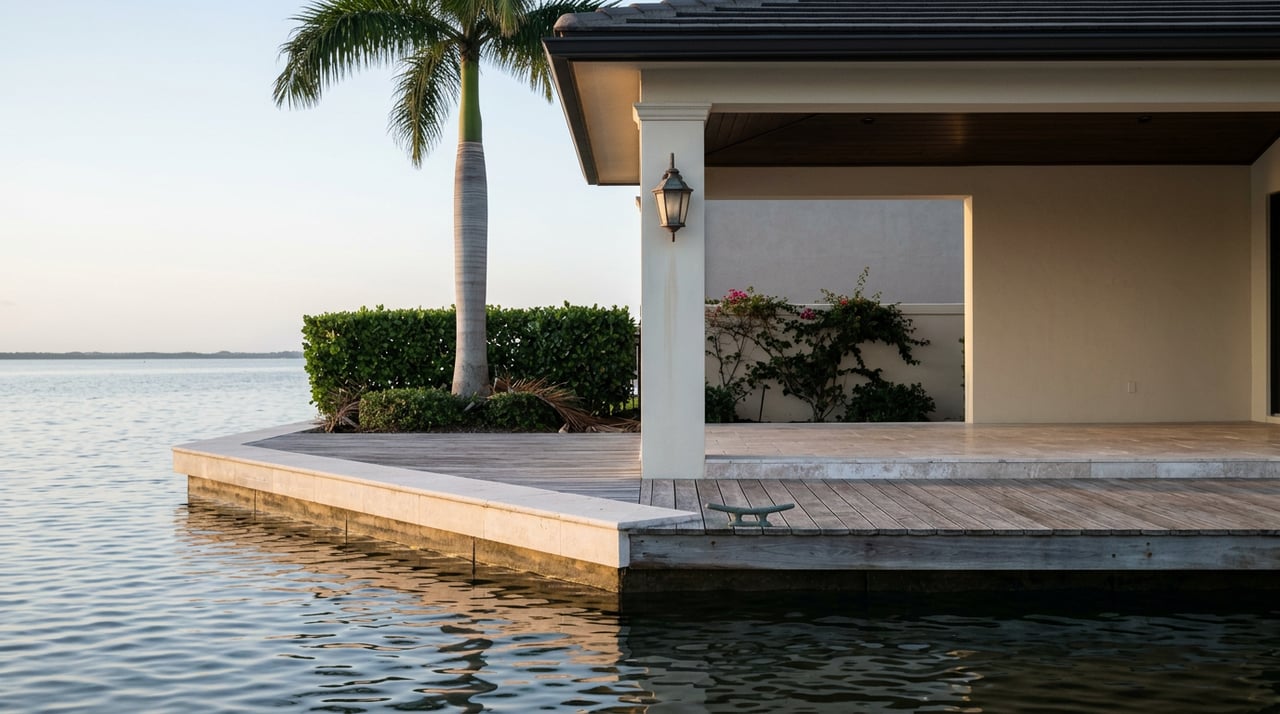
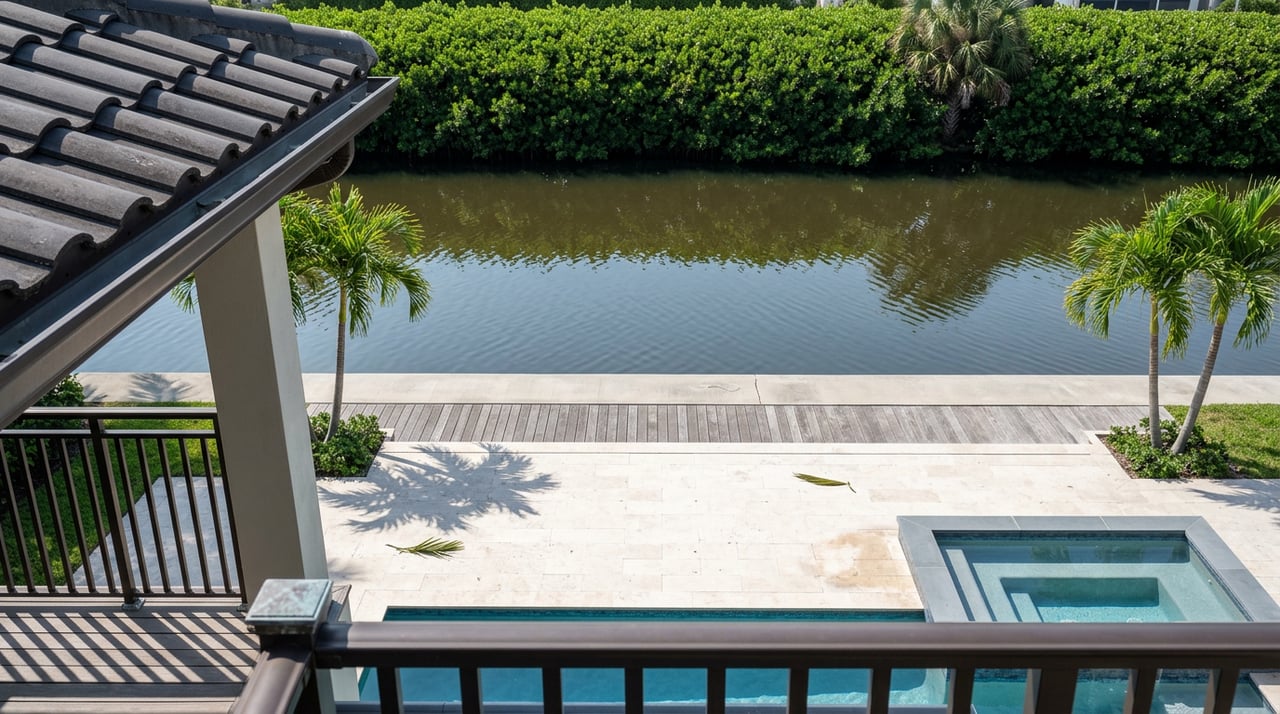
For many buyers in Port Royal and Aqualane Shores, the waterfront is the primary reason to be here. Dock capacity and true deep‑water, direct‑to‑Gulf access are among the biggest drivers of value. Premium components include allowable dock length, depth at mean low tide, proximity to maintained channels, and whether you must transit any fixed bridges that limit air draft.
When a property offers verified, unobstructed access suitable for larger yachts, buyers often pay a meaningful premium relative to shallow or bridge‑restricted water. Exact premiums are property‑specific and should be established using recent comparable sales with documented dock specifications.
Marine due diligence checklist
- Verify nautical depth at mean low tide using current surveys and local knowledge, not just older charts.
- Inspect dock and seawall condition, age, maintenance history, and permits. Replacement or upgrades can run into the tens or hundreds of thousands depending on scope.
- Confirm who maintains your access channel, since that affects dredging probability and timing.
- Check for bridge restrictions along the route to open water and measure air‑draft limits at typical tides.
- Review riparian rights, submerged land leases, and any easements that could affect dock structures.
New build or tear‑down: smart tradeoffs
Tear‑downs are common because land value often exceeds the value of older structures, and buyers want modern floor plans, systems, and hurricane resilience. New custom builds on waterfront estate lots typically take 12–30 months from planning to completion, depending on permitting and complexity.
Local requirements matter. Collier County setbacks, lot coverage, roof elevation, and coastal rules shape what you can build. New construction must meet current base flood elevation, which can change foundation, garage, and entry design. Dock and seawall work requires county and sometimes state approvals, and in some cases federal reviews.
Permit and elevation essentials
- Confirm building permit history and any open permits for the home, dock, and seawall.
- Align plans with current base flood elevation and FEMA flood zone requirements.
- Get realistic timelines from your builder for both building and marine permits.
- Compare cost‑to‑renovate against tear‑down plus rebuild, including carrying costs during construction.
How these factors shape negotiations
Marine capability, build potential, and permitting timelines show up in offers and contracts. Buyers should budget for early inspections, structural assessments, and marine surveys, then write targeted contingencies. Sellers who pre‑qualify docks, seawalls, and permits often remove friction and defend pricing.
Key items to address up front:
- Specific dock and seawall contingency language, including scope, cost caps, and contractor selection.
- Survey and title review for riparian rights and submerged land considerations.
- Appraisal planning if comps are thin due to unique yacht or lot features. Cash buyers often have an edge when valuation gets complex.
- Escrows or holdbacks for identified marine repairs when work cannot be completed pre‑closing.
- Early flood and wind insurance quotes so carrying costs are known before you finalize terms.
Seasonality and timing in Naples
Expect more showings and offers during the winter season. At the very top of the market, plan for longer timelines because the buyer pool is smaller and due diligence can be more involved. Strong preparation, accurate pricing relative to dock capability and lot utility, and high‑quality presentation reduce time on market regardless of season.
Practical steps to get ready
If you are buying
- Define your yacht requirements first. Dock length, depth, and bridge clearance drive your short list.
- Order marine and structural inspections early, then build contingencies around verified findings.
- If you plan to build, meet with a builder and discuss timelines, elevation, and cost before finalizing price.
If you are selling
- Pre‑inspect the seawall and dock. Provide recent engineering and maintenance documentation.
- Gather permits and histories for the home and any marine structures. Clear, organized records build confidence.
- Price to recent comps that match dock capability and lot utility. Highlight verified deep‑water and no‑bridge access in your materials.
- Consider strategic updates, like permitted seawall work or dock improvements, when the cost yields measurable marketability.
What this means for Port Royal and Aqualane Shores
Demand is powered by scarcity, deep‑water function, and the prestige of these addresses. Value concentrates where lot orientation, channel proximity, and verified dock capability align with modern expectations. If you plan with these realities in mind, you can navigate the market with clarity, whether you are buying a yacht‑ready estate or preparing a legacy property for sale.
Ready to align your move with the market? Connect with Kim Price for a private consultation and a data‑driven plan tailored to Port Royal and Aqualane Shores.
FAQs
How does deep‑water access affect pricing in Port Royal and Aqualane Shores?
- Verified deep‑water, no‑bridge access with substantial dock capacity typically commands a meaningful premium, best quantified using recent comparable sales with documented dock specs.
Which price bands see the most activity in this micro‑market?
- Most transactions occur in the $5–10 million and $10–20 million ranges, with the $20 million‑plus tier seeing very low inventory and fewer sales annually.
What should I check before buying a tear‑down on the water?
- Confirm flood elevation requirements, permitting constraints, seawall and dock condition, and realistic build timelines and costs to compare renovate versus rebuild.
How long does new custom construction take on a waterfront lot?
- A typical door‑to‑door window is about 12–30 months, depending on permitting speed, design complexity, and coastal construction requirements.
Which contract terms matter most for docks and seawalls?
- Use targeted contingencies, verified inspections, and, when needed, escrows or holdbacks to address identified marine repairs and permitting or transfer issues.