Torn between a charming Olde Naples cottage and a sleek new coastal build? Both deliver walkable beach living, but they perform very differently when it comes to storms, insurance, maintenance and permits. If you want the romance of history or the confidence of modern engineering, this guide shows you the real tradeoffs so you can buy with clarity and confidence. Let’s dive in.
What makes Olde Naples unique
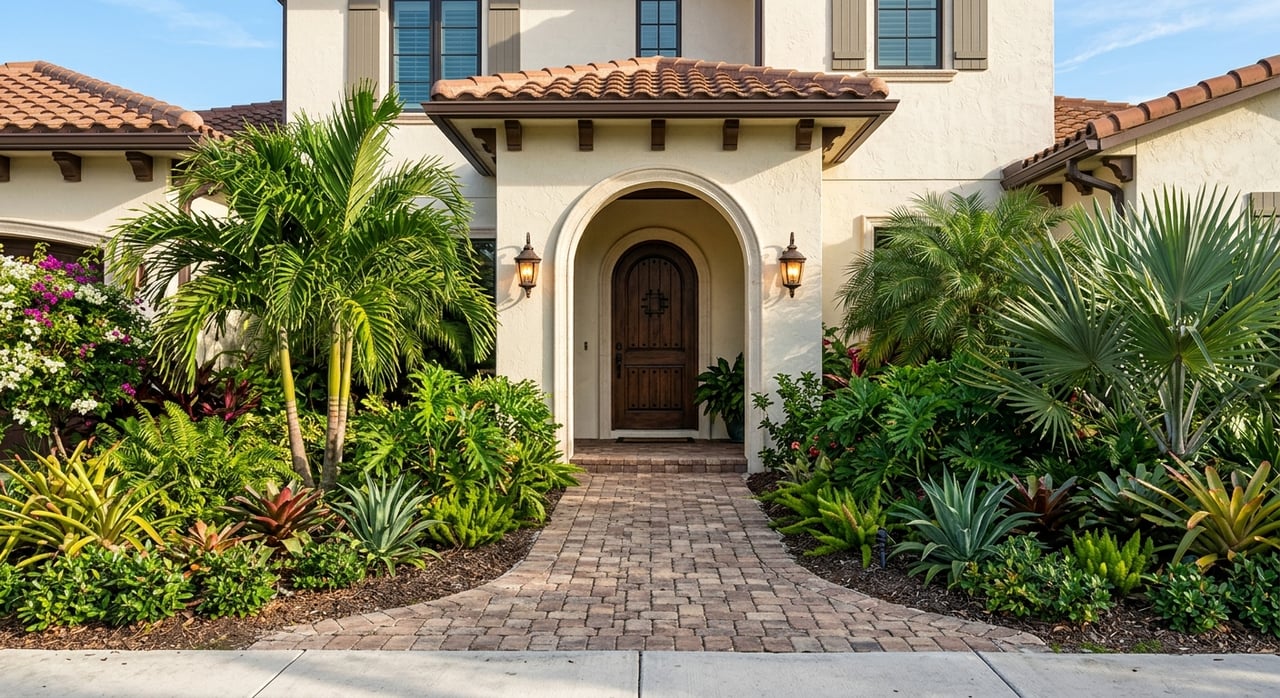
Olde Naples blends the city’s earliest cottages with today’s luxury homes near the Gulf and Naples Pier. Part of the neighborhood falls within the National Register-listed Naples Historic District, where early 20th-century homes and Palm Cottage signal authentic local character. You will see narrow lots, porches and vernacular details alongside new coastal estates. For background, review the district’s overview in the Naples Historic District entry.
Location by block matters here. A home two blocks from the beach can face different flood rules, elevation requirements and maintenance realities than one several blocks inland. That is why you start every evaluation with flood maps, elevation and insurance quotes for the exact parcel.
Historic cottages: what to expect
You get original scale and character: wood-frame construction, porches and smaller rooms that reflect early Naples living. Many older homes were built with shallower foundations or slab-on-grade and may predate current standards for wind, impact protection and corrosion control.
Plan for structural and systems updates. Typical projects include roof replacement, impact windows or shutters, tie-downs and modern electrical, plumbing and HVAC. In coastal humidity, older materials and fasteners are more vulnerable to salt and moisture, so preventive maintenance is part of ownership.
If the home contributes to the historic streetscape, exterior changes may require additional reviews if a local preservation ordinance applies. That can add time and design coordination, yet the payoff is a home with provenance in a coveted setting.
New construction: what to expect
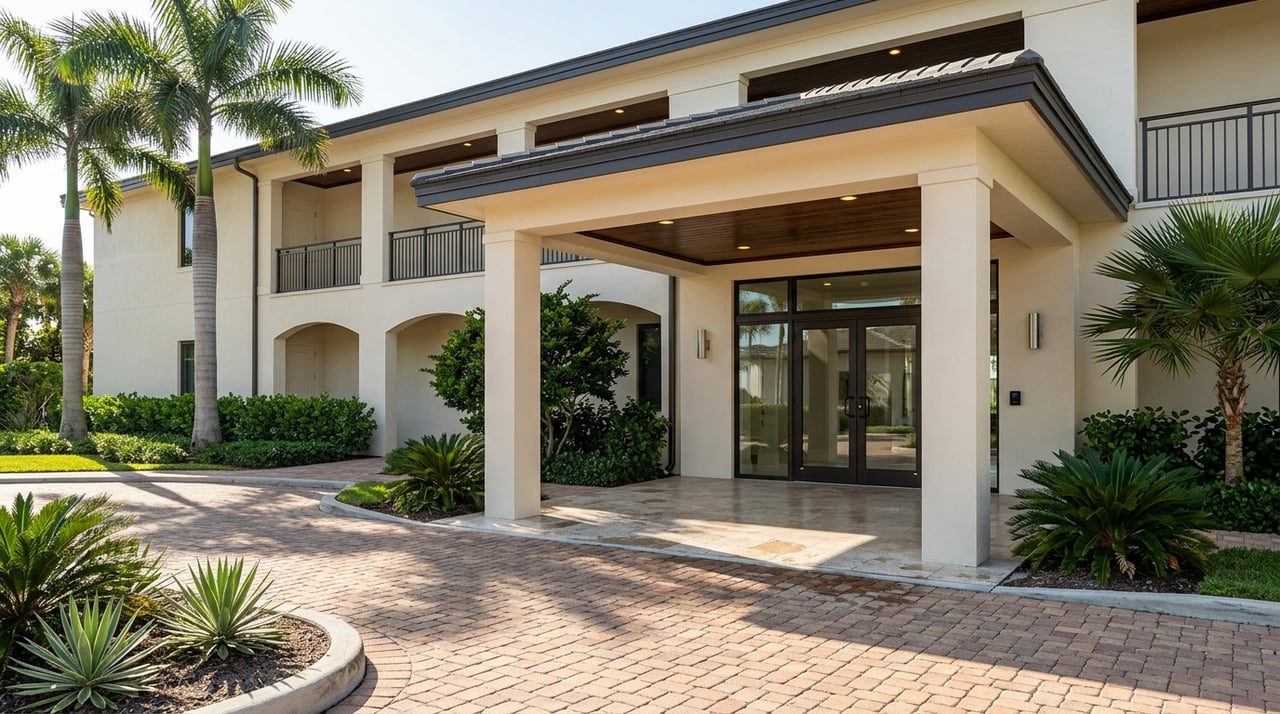
Modern coastal builds in Olde Naples are designed to the current Florida Building Code, effective December 31, 2023. Expect engineered foundations or pilings in flood areas, impact glazing or certified shutters, and corrosion‑resistant materials. See the code overview at the Florida Building Code site.
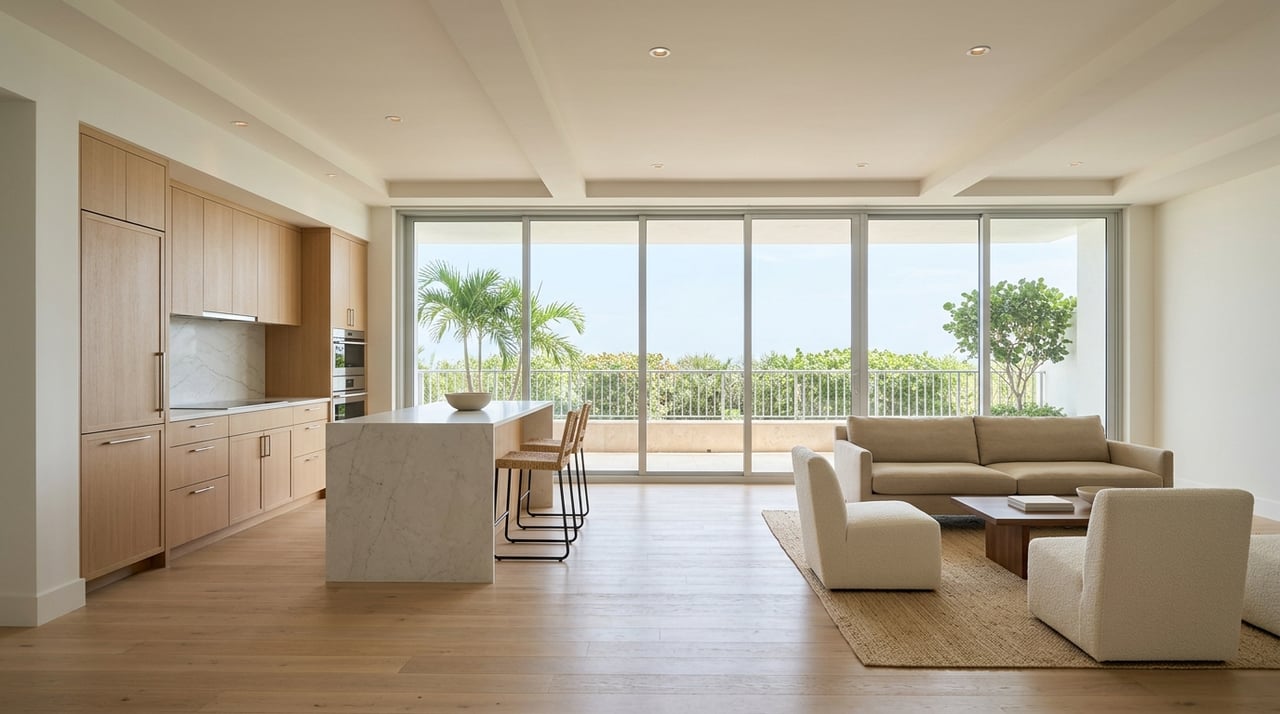
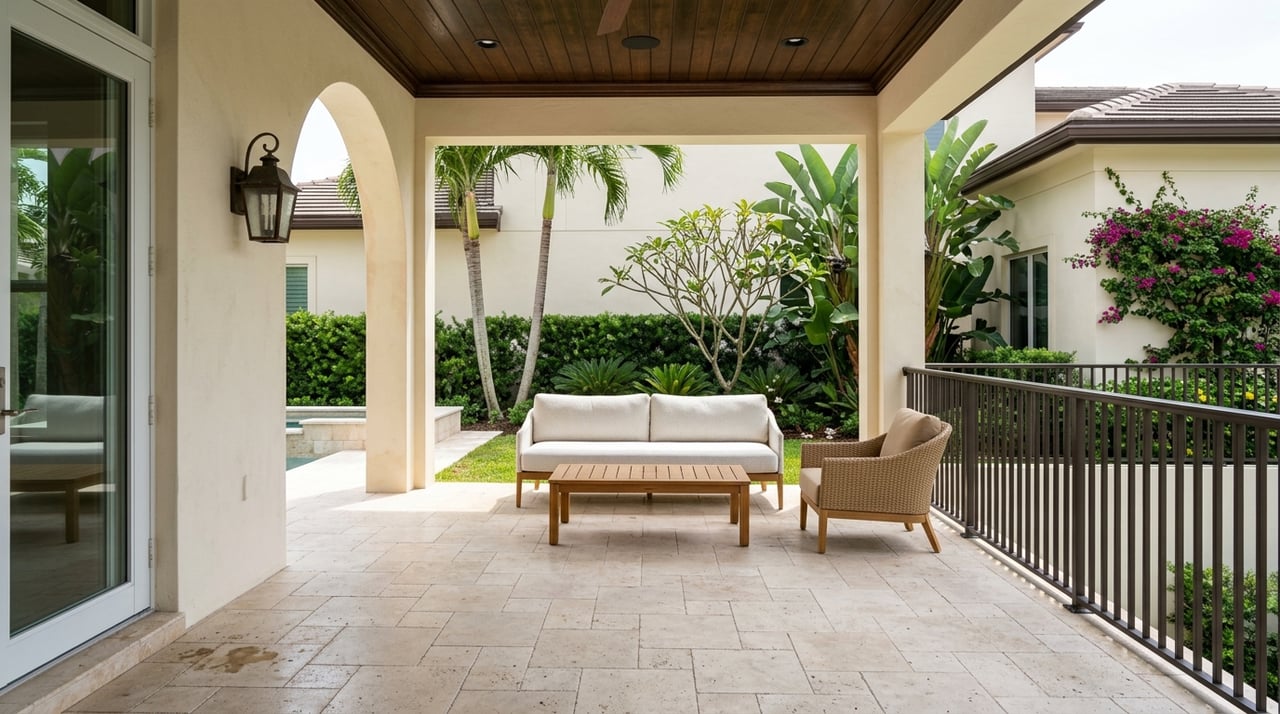
New builds reduce near-term maintenance risk and often deliver open plans, taller ceilings and indoor–outdoor living. The tradeoff is higher replacement cost and typically higher purchase price, which can influence insurance coverage choices and deductibles.
Flood, wind, and elevation essentials
Naples implemented updated Flood Insurance Rate Maps in 2024, and the city provides an interactive tool to check any parcel. Confirm the official flood zone and request any existing Elevation Certificate early. Start with the city’s flood zone maps resource.
Collier County’s resilience planning uses NOAA sea-level scenarios tied to the local tide gauge. This shows that sea-level and nuisance-tide flooding are already part of local decision-making. Review the county’s modeling context in the Collier County vulnerability assessment.
Note: Collier County is not in Florida’s designated High Velocity Hurricane Zone. You still need to verify design wind speeds and code requirements for your specific lot with the local building department.
Flood zones 101: AE vs VE
- AE zones are subject to flooding. Homes often elevate the lowest finished floor to or above the Base Flood Elevation. Slab-on-grade may not be acceptable for new work.
- VE zones add coastal wave action. These locations commonly require open foundations on pilings and additional engineering. Construction is more complex and usually more expensive.
- Insurance consequences: Flood zone, elevation and the documented lowest-floor height drive NFIP and private flood pricing. Ask for the current FEMA Elevation Certificate guidance when you start underwriting.
Insurance today: get quotes early
Florida’s insurance market shifted in 2024–2026 as policies moved from Citizens to private carriers. Prices and terms vary, so obtain wind, homeowners and flood quotes from multiple carriers before you waive contingencies. Read a recent overview of the shift in this Axios report. Confirm coverages, hurricane deductibles and exclusions in writing.
Maintenance and coastal costs
Salt air, sun and humidity accelerate wear. Whether you buy historic or new, plan for roof, HVAC, window/door seals and exposed metals to need periodic attention. Older cottages may have near-term projects waiting, while new builds usually push major replacements further out.
Moisture control matters. If an older home lacks modern insulation, ventilation or dehumidification, invest in building-envelope upgrades to prevent mold and maintain indoor air quality.
Seawalls and docks: true costs
If the property is waterfront, reserve for marine infrastructure. The City of Naples capital plan shows ongoing, multi-million-dollar seawall work, a good signal that private owners face real costs over time. See the city’s capital planning context in the Naples CIP document.
Private seawall budgets vary with access, barge needs and engineering. Industry ranges run from hundreds of dollars per linear foot for minor repairs to thousands per linear foot for full replacement in tight or complex sites. For a homeowner’s budgeting primer, review this local overview on seawall maintenance and costs.
Systems, roofs, and pests
Plan to evaluate HVAC age and performance, roof condition and flashing, and any corrosion at exterior metals. In Collier County, subterranean termites and other species are a recurring risk, especially for wood-frame structures. UF/IFAS provides practical guidance on termite prevention and inspection.
Renovation, permits, and timing
Part of Olde Naples is on the National Register, and the city has discussed a local Historic Preservation Board and design guidelines that could add review steps for contributing structures. Always verify current code and processes. You can see recent city materials regarding a proposed ordinance and board in this City of Naples agenda packet.
Practical tips:
- For historic cottages, expect that exterior massing and window openings may trigger design review if local rules apply. Interior mechanical upgrades typically use standard building permits but may need thoughtful detailing to preserve character.
- For new builds, plan for full modern code compliance across structure, glazing and foundations. There is usually less risk of preservation-related delay.
Resale and lifestyle fit
Who gravitates to which option? Historic buyers often value location and character first and are open to a measured renovation plan. New-construction buyers prioritize turnkey performance, open layouts and minimal near-term projects.
Resale hinges on documentation. A well-renovated historic cottage with permits, elevation certificates and engineering reports can command a premium for its story and setting. New custom builds sell on finishes, condition and replacement value. In both cases, clear records reduce buyer friction and protect value.
Smart due-diligence checklist
Use these questions on every Olde Naples listing before you remove contingencies:
- What is the exact FEMA flood zone, and do you have a current Elevation Certificate? Start with the city’s flood zone maps and ask for documentation.
- If waterfront, what is the age and condition of the seawall and dock, and do you have permits and engineering reports? The city’s CIP underscores the importance of lifecycle planning.
- Are there prior flood or insurance claims on the property? Obtain documentation and ask insurers how claims history affects pricing.
- What are the ages and service records for the roof and HVAC? Get replacement estimates where useful.
- Do you have a recent termite inspection and any treatment history? Review UF/IFAS guidance on termite management.
- Are there permits for prior renovations, and were inspections closed? Ask for copies.
- Is the home listed in the city’s historic inventory or subject to design review? Request any past approvals. See the city’s recent historic ordinance materials.
- Do you have sample quotes for homeowners, wind and flood insurance from at least two private carriers and NFIP? Read about recent market changes in this Axios overview, then confirm today’s numbers with your agent.
Side-by-side tradeoffs
Historic cottages: pros
- Authentic character and scale near the beach and downtown.
- Unique resale story when renovations are well documented.
- Opportunity to personalize while keeping the shell.
Historic cottages: cons
- Higher probability of near-term projects and system upgrades.
- Potential preservation review steps that add time and design constraints.
- Greater exposure to moisture, termites and corrosion in older materials.
New construction: pros
- Turnkey living with modern storm-resistant features to current code.
- Lower short-term maintenance and predictable mechanical systems.
- Open plans, taller ceilings and indoor–outdoor flow.
New construction: cons
- Higher purchase price and replacement cost in catastrophic scenarios.
- Less historic character and potentially higher insurance coverage needs.
Ready to sort what is best for your lifestyle and risk profile? A senior, local advisor can help you weigh block-by-block nuances, underwriting realities and renovation timelines so you buy confidently in Olde Naples.
If you are comparing addresses now, let’s talk. Work with Kim Price for a private consultation tailored to your goals.
FAQs
What defines Olde Naples and its historic area?
- Olde Naples includes some of the city’s earliest cottages near the Gulf and Naples Pier, with part of the neighborhood listed in the National Register Historic District for its early 20th-century character.
How do AE and VE flood zones change design and insurance?
- AE zones require elevating finished floors to flood standards, while VE zones add wave action and often require pile-supported foundations, which can raise construction complexity and affect flood insurance pricing.
Is Collier County in Florida’s High Velocity Hurricane Zone?
- No. HVHZ provisions apply to Miami-Dade and Broward, not Collier, but Naples still has strict wind-design requirements that you should confirm for your specific lot with the building department.
How much should I budget for a seawall replacement?
- Costs vary widely by access and engineering, but industry guidance puts full replacement in the thousands per linear foot, with smaller repairs in the hundreds per foot; request a marine engineer’s inspection and estimate.
Will historic status limit my renovation plans?
- If a home is a contributing structure and a local ordinance applies, exterior changes may require design review that adds time and design constraints; interior systems work typically proceeds under standard building permits.
What documents should I request before making an offer?
- Elevation Certificate, flood zone confirmation, insurance quote samples, roof and HVAC ages, termite reports, permit history and any seawall or dock engineering reports if waterfront.